
CORE Global Initiative
Coaches Organizing for Rights and Excellence
An ICCE initiative
What is CORE?
CORE is an official initiative of the International Council for Coaching Excellence (ICCE). Its mission is to unite coaches across all sports into one unified national body, giving them a collective voice, professional rights, and international recognition.
CORE is not just about organising today’s coaches. It is about shaping tomorrow’s coaching culture through education, solidarity, and collective action.
CORE stands for Coaches Organizing for Rights and Excellence.
Explore the three models | Discover the CORE Academy Syllabus | Contact CORE
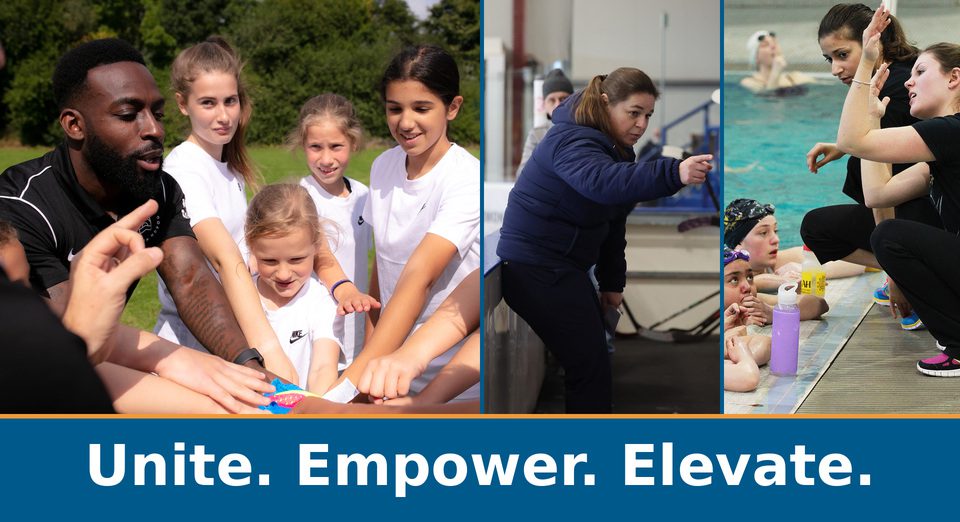
The coach is the “CORE” of sport
The coach is at the heart of sport. Coaches play a vital role in athlete development, fostering positive sporting experiences and contributing to the strength and sustainability of the sporting community.
Coaches develop talent, build character, and contribute to the strength and sustainability of the sporting ecosystem through their work with athletes, colleagues and other stakeholders. Yet, too often, they remain invisible, without contracts, without insurance, without representation, and without a collective voice. CORE exists to change that.
A unified voice at all levels
CORE aims to create a common unified voice for coaches at local, national, and global level, promoting their educational, professional, and legal rights under a global body.
This voice is built from the ground up: starting with individual coaches, organised into national bodies, and connected through the ICCE global network.
Three flexible organisational models
CORE offers three flexible models for organising coaches. Each country can choose the model that best fits its legal, cultural, political, and sporting conditions.
1. Independent Unified Association
A separate legal entity, such as an association or federation, with full autonomy, elected leadership, and its own statutes and governance.
Best suited to: countries where coaches are ready to lead and there is a tradition of civil society organisations.
Examples: Greece (POPA), Cyprus, Malta, Romania, Hungary, Portugal, the Netherlands and Finland.
2. Embedded Office
A Coaches’ Rights & Representation Office within an existing state sport body, such as a ministry, national sports authority, or Olympic committee. This model is quick to establish, low cost, and offers direct access to decision-makers.
Best suited to: countries with a strong state role in sport, or where coaches are not yet ready to form their own legal entity.
Proposed example: Luxembourg (INAPS).
3. Hybrid Model
An independent body with official state recognition, funding, and guaranteed seats on boards. It combines autonomy with institutional power, giving coaches their own voice alongside state support.
Best suited to: countries that want both independence and state backing.
Proposed examples: Serbia, Slovenia, and Croatia.
CORE provides ready-to-use tools, including statutes, legal templates, and guides, for all three models. The choice depends on each country’s specific circumstances.
What CORE offers
- Rights and representation: Resources and collective advocacy to support fair contracts, appropriate insurance and remuneration, meaningful representation in sport governance, and opportunities for coaches to contribute to relevant policy discussions, in accordance with applicable national laws and regulations.
- Excellence: continuous education, international certification, and ethical standards.
- Tools: the CORE Toolkit, a 90-day pilot roadmap, and the Educational Module.
The CORE Academy Syllabus
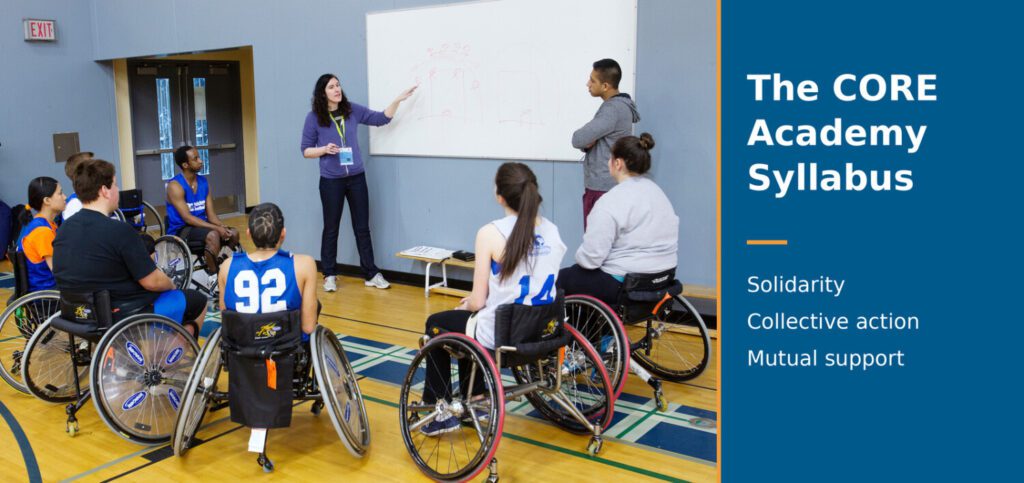
The CORE Academy Syllabus is an innovative educational proposal designed to train both current and future coaches in values and skills that are missing from conventional coach education:
- Solidarity: the power of collectivity over individualism.
- Collective action: how coaches work together for common goals.
- Mutual support: practical ways to support fellow coaches.
- Building sustainable unified national bodies: step by step, for all sports in every country.
Six modules, four hours
- Why coaches remain invisible: the global problem.
- The solution: unified national bodies, models, and case studies.
- Rights & Excellence: the two pillars.
- How to build a unified body: the 90-day roadmap.
- Simulation: negotiating with a federation or ministry.
- From learning to action: how you can contribute to positive change.
The syllabus is free of charge, adaptable to any country, and can be integrated into undergraduate, postgraduate, or lifelong learning programmes.
The four CORE coordinating bodies
CORE operates through four coordinating bodies, each with a clear mission:
CORE Steering Group
Provides strategic direction and overall coordination.
Task Force 1: Network Development
Supports the establishment and development of national coaches’ organisations.
Task Force 2: Institutional Engagement and Advocacy
Promotes dialogue with sports federations, government bodies and other relevant stakeholders.
Task Force 3: Education and Research
Supports the CORE Academy Syllabus, educational partnerships, continuing development and research.
What has been achieved
- Greece (POPA): 16 years of success, including mandatory insurance, minimum wage, a seat on federation boards, and lifelong learning.
- Cyprus: a unified body formed under the Cyprus Olympians.
- Malta: the first unified sports coaches association formally established.
- Romania: the first unified sports coaches association formally established.
Active discussions are also underway with Luxembourg (INAPS), Albania, Slovakia, Serbia, Australia, New Zealand, Malaysia, and South Africa.
CORE today
A growing global network of coaches and organisations across Europe, the Americas, Africa, Asia, and Oceania, united by one vision: No coach should have to advocate alone.
- Unity & solidarity
- Contracts and employment protections
- Representation
- Professional standards and recognition
- Lifelong education
- Sustainable governance
The six fundamental pillars
- Unity & solidarity: collective strength across all sports.
- Contracts and employment protections: Resources and collective advocacy to support fair contracts, appropriate insurance and remuneration, and employment protections, in accordance with applicable national laws and regulations.
- Representation: institutional presence in sports governance.
- Professional standards and recognition: Supporting ethical coaching practice, clear professional standards, appropriate recognition of coaching qualifications and opportunities for continuing development.
- Lifelong education: continuous academic and practical development.
- Sustainable governance: 90-day roadmaps for organisational launch.
Learn more and contact CORE
If you are a coach, academic, sports organisation, or policymaker and would like to learn more about CORE, complete the form below.
We will provide key information on the three organisational models and an invitation to the next open meeting. You may also express interest in joining one of the four coordinating bodies, depending on your experience and interests.
There is no cost and no obligation. Only cooperation.
Your enquiry will be sent directly to Athanasios D. Villiotis, Head of CORE. Please include your country and organisation, if applicable, and tell us what you would like to discuss.
Your details will be used to respond to your enquiry. Read ICCE’s Privacy and Cookie Policy.
Head of CORE
CORE is led by Athanasios D. Villiotis, President of the Hellenic Federation of Sports Coaches and Trainers (POPA) and Head of the ICCE Working Group for Coaches Associations.
“The question is not whether coaches should organise, but when. We say: now.”
CORE: Coaches Organizing for Rights and Excellence
An official initiative of the International Council for Coaching Excellence (ICCE).