
Pioneers
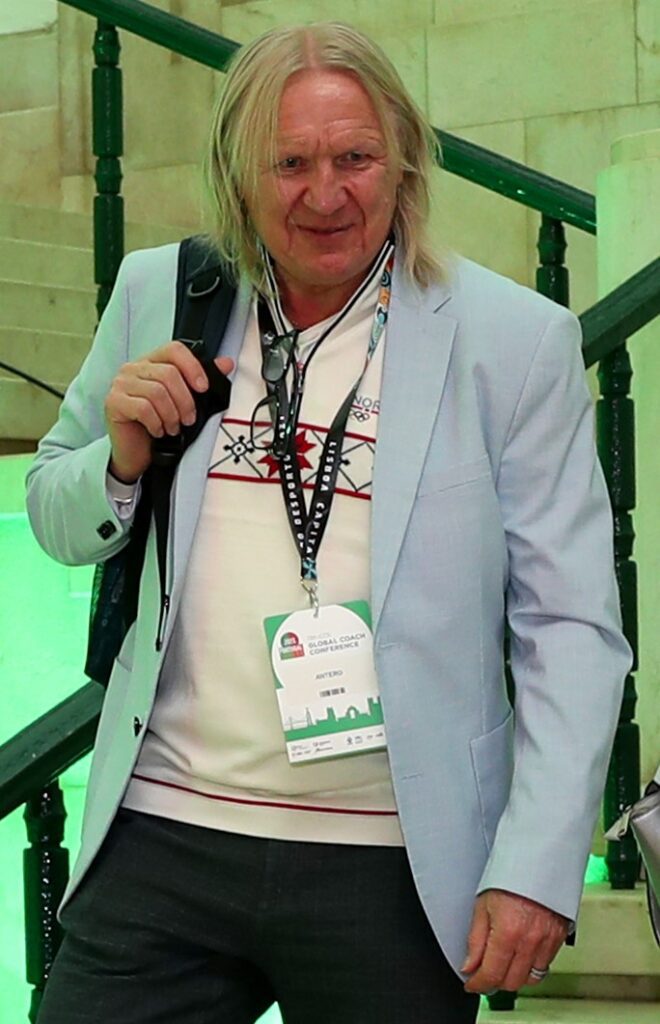
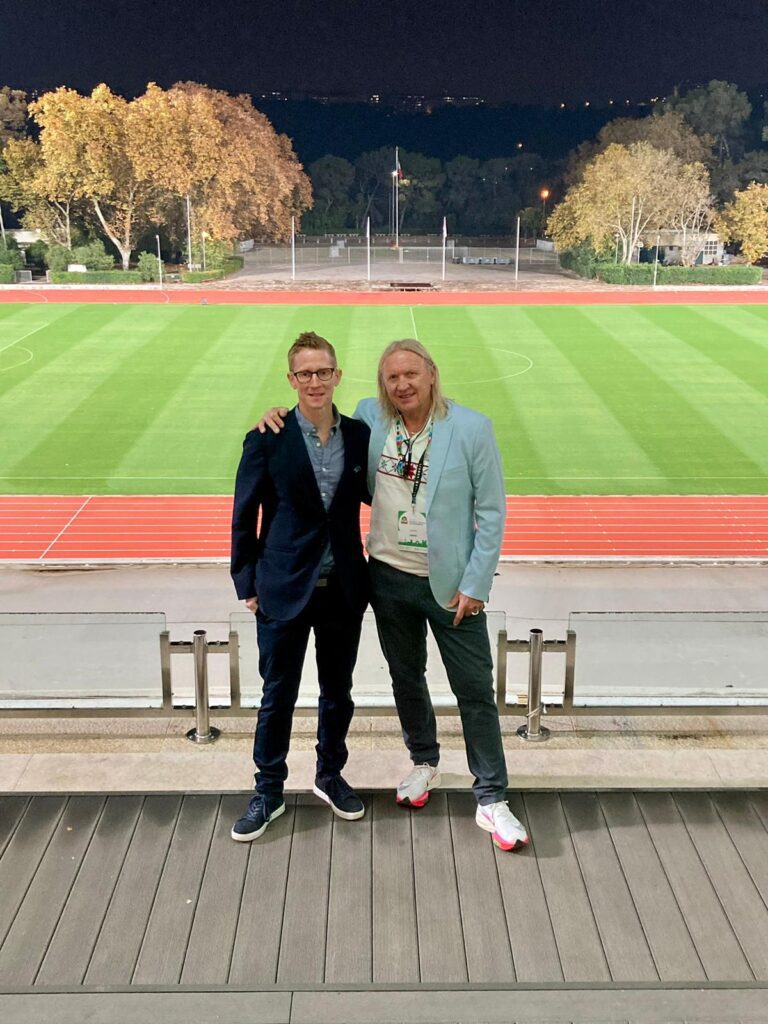
Antero Wallinus-Rinne: A Legacy of Ethics,
Athlete-Centred Coaching and Service to Sport
Antero Wallinus-Rinne dedicated his life to sport as an athlete, coach, coach developer and sport leader. Remembered for his thoughtfulness, integrity and deep commitment to athlete-centred coaching, Antero helped shape ICCE’s values and contributed to a more ethical, athlete-centered, and human approach to coaching.
A Lifetime in Sport
Antero’s connection to sport was lifelong. He experienced sport from many perspectives, including as an athlete, coach, coach developer and administrator. As a former national team athlete for Sweden in track and field, and later through his work in coach development in Norway, Antero brought a broad and practical understanding of sport to his international work.
His experience across different roles gave him a strong appreciation for the influence coaches have, not only on performance, but on the lives and development of athletes. This perspective helped shape his contributions to ICCE and the wider coaching community.
Athlete-Centred Coaching
One of Antero’s strongest beliefs was that coaching should be centred on the athlete. For him, this meant understanding the needs, motivations and experiences of athletes, rather than simply imposing the goals of the coach or the system.
“He was really an embodiment of the concept of
athlete-centred coaching.”
— John Bales, former ICCE President
Antero believed coaches had a responsibility to create positive sport experiences that supported long-term development, wellbeing and participation. His work encouraged coaches to think beyond short-term results and consider the broader impact they have on young people, athletes, parents, clubs and sport systems.
The ICCE Promise
One of Antero’s most important contributions to ICCE was his role in the development of the ICCE Promise. The Promise helped define what ICCE stands for and how the organisation should act in its relationships with members, partners and the wider public.
The ICCE Promise went beyond a simple list of values. It challenged the organisation to consider what those values mean in everyday decisions and actions. It encouraged questions such as whether actions are ethical, whether they reflect well on ICCE, and whether people would be comfortable if those decisions were made public.
Through this work, Antero helped strengthen ICCE’s commitment to fair play, respect,
transparency, diversity, innovation and integrity.
Ethics in Action
Antero’s approach to ethics was not about preaching or telling others what to think. Instead, he listened carefully, asked thoughtful questions and helped people reflect on what good practice should look like in real situations.
He understood that values only matter when they are put into action. His work helped ICCE think more clearly about how ethics, integrity and athlete-centred coaching should guide both organisational decisions and everyday coaching practice.
Coach Development and Practical Learning
Antero also contributed to ICCE’s work in coach development. He was involved in the first edition of the Coach Developer Framework and brought an important athlete-centred and ethical perspective to that work.
He believed coach development was not simply about passing on information. For Antero, the work of a coach developer was only complete when coaches could apply new knowledge and skills in their own coaching environments. This practical view of learning helped reinforce the importance of supporting coaches beyond workshops, courses and formal education settings.
A Global and Listening Presence
Those who worked with Antero remember him as someone who was deeply interested in people. He was a strong listener, open to different perspectives and genuinely curious about the experiences of others.His international outlook allowed him to contribute meaningfully to discussions across countries
and sport systems. At the same time, his calm and thoughtful approach helped create space for dialogue, reflection and shared learning.
Creativity Beyond Coaching
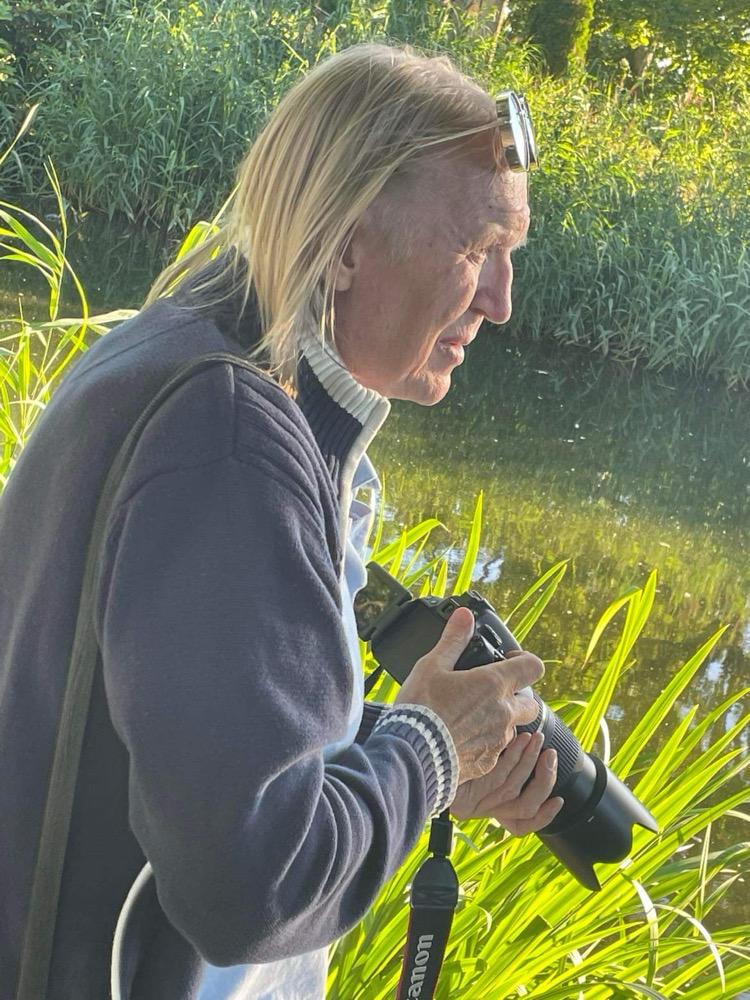
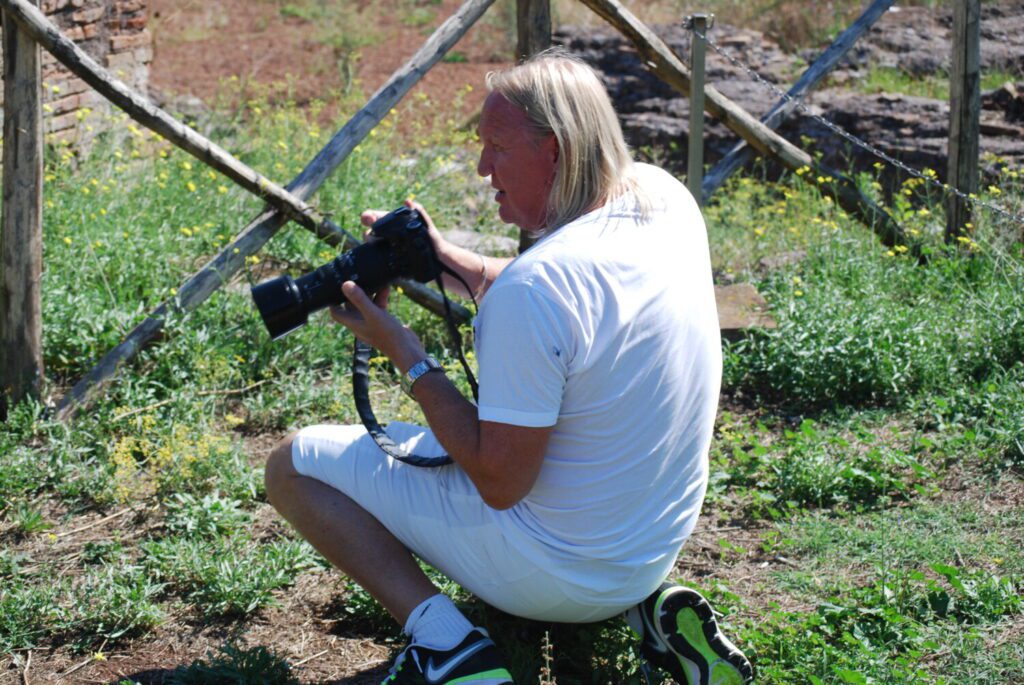
Antero was also known for his creativity outside of coaching. As an award-winning photographer, he had a strong eye for detail, patience and perspective.
One story shared by John Bales captures this side of Antero well. During a visit to Rome following a European meeting, Antero became absorbed in photographing archaeological sites, carefully considering angles, light and detail. The story reflects the same qualities he brought to coaching and leadership: curiosity, patience, creativity and attention to what others might miss.
His Lasting Contribution
Antero Wallinus-Rinne’s legacy lives on through the values he helped strengthen, the ethical questions he encouraged ICCE to ask, and the athlete-centred approach he promoted throughout his work.
His legacy was also deeply connected to the culture and spirit he helped create within ICCE. Kirsi Hämäläinen remembered Antero as someone who brought people together, treated people equally and helped make ICCE feel like a community.
“It’s the spirit which is the biggest legacy for him.”
— Kirsi Hämäläinen, ICCE Board Member
His contributions remind the coaching community that sport is not only about performance. It is also about people, relationships, responsibility and the environments we create for athletes to grow.
For ICCE, carrying Antero’s work forward means continuing to place ethics, integrity and athlete wellbeing at the centre of coaching and coach development.
Legacy in Three Words
Ethical. Principled. Thoughtful.