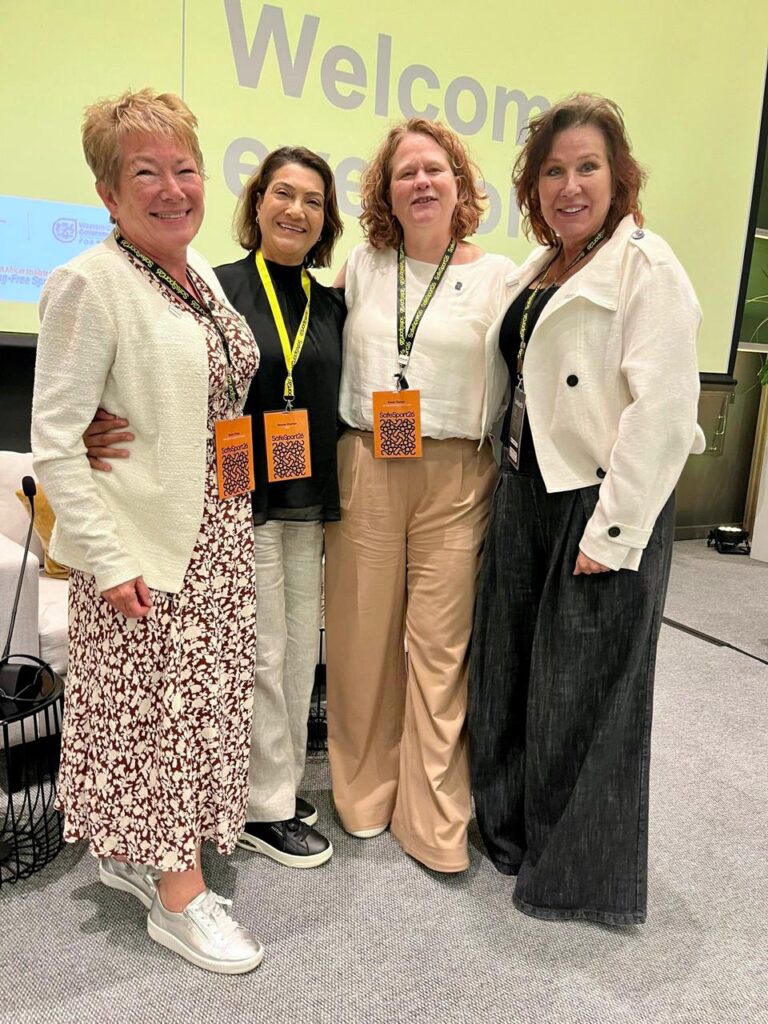
Sport leaders, academics, coaches and safeguarding practitioners from around the world gathered at the Safe Sport International 2026 Conference to examine how athlete wellbeing can be embedded across sport systems – from grassroots participation to elite performance environments.
The opening session, facilitated by Desiree Vardhan and Lorraine Lafrenière of ICCE/ICoachKids, brought together approximately 70 delegates representing universities, governing bodies, education systems and sport organizations from multiple countries. Discussions focused on safeguarding, athlete wellbeing and accountability through a coaching systems lens.
Building on conversations from the 2025 Safe Sport International conference, delegates explored three key themes: designing systems from the margins in, missing voices in the public health approach to safe sport, and the role of leadership in shaping culture and accountability.
Athletes and Parents Still Missing From Key Conversations
A recurring message throughout the session was that many safeguarding systems continue to be designed without sufficient input from those most directly affected.
Delegates identified athletes and parents as among the most underrepresented voices in safeguarding discussions and decision-making processes. Participants questioned whether athletes fully understand the language, programmes and policies created to protect them and emphasized the need to move beyond consultation toward genuine co-design.
Participants also highlighted broader inclusion challenges, identifying groups that remain underrepresented in safe sport conversations, including coaches, athletes and officials who are young, female and/or who represent minority voices along with persons with a disability and from marginalized communities or organisations.
Communication barriers emerged as another significant concern. Delegates stressed that safeguarding information must be more accessible, culturally relevant and inclusive. Examples from South Africa’s Deaf Rugby community demonstrated how communication challenges can affect athletes, parents, coaches and educators throughout safeguarding processes.
Calls for Greater System Accountability
Delegates repeatedly challenged the tendency to place safeguarding responsibility solely on individual coaches, parents or athletes.
Instead, participants argued that governments, national sport systems and governing bodies must accept greater responsibility for creating safe environments.
Several delegates noted that many safeguarding failures are structural rather than individual in nature, reflecting broader social and institutional issues that manifest within sport systems.
Technology was also identified as an underutilized tool. While sport organizations increasingly rely on technology to improve athletic performance, delegates suggested it could play a much larger role in monitoring wellbeing, supporting safeguarding visibility and strengthening accountability mechanisms.
Safe Sport Framed as a Public Health Issue
The conference’s second theme focused on viewing safe sport through a public health and human-centred lens.
Participants emphasized that safeguarding should extend beyond compliance and misconduct prevention to encompass mental health, wellbeing, healthy relationships and psychological safety.
Representatives from several organizations highlighted growing concerns about athlete anxiety, performance pressure and emotional wellbeing. Delegates called for stronger partnerships between sport organizations and healthcare professionals, including psychologists, psychiatrists, hospitals and academic institutions.
The discussion also examined the importance of protecting and supporting coaches themselves, particularly young female coaches, while strengthening coach education systems.
Speakers argued that values education, ethics and safeguarding should become embedded within teacher education, coach development and community programmes rather than being treated as separate initiatives.
Fear and Silence Continue to Undermine Reporting
One of the strongest themes to emerge was the impact of fear-based cultures on safeguarding efforts.
Delegates described how fear of retaliation, job loss, exclusion and reputational damage often discourages individuals from reporting harmful behaviour. Participants warned that successful coaches and leaders may continue to receive protection despite concerns about their conduct if organizations prioritize winning over wellbeing.
The discussion highlighted ongoing stigma associated with reporting abuse or misconduct, with participants noting that individuals who raise concerns frequently experience negative consequences for doing so.
Many delegates agreed that sport systems must shift their focus from protecting institutions and reputations to protecting people.
Leadership Identified as the Key Driver of Culture
The session concluded with a strong focus on leadership accountability.
Delegates agreed that organizational culture is shaped by leadership behaviour and that leaders must actively challenge toxic workplace environments, corruption and fear-based management practices.
Participants emphasized that safeguarding policies must be visible, regularly updated and consistently implemented rather than existing only as compliance documents.
Calls were also made for stronger monitoring systems, measurable accountability frameworks and meaningful consequences for safeguarding failures.
Wellbeing was identified as a leadership responsibility rather than an optional support service, with delegates advocating for the integration of wellbeing systems and sport psychology resources throughout sport environments.
A Shared Global Message
Despite diverse national perspectives, delegates reached broad consensus on several priorities for the future of safe sport.
These included embedding athlete and parent voices in decision-making, strengthening system-wide accountability, improving accessibility and communication, leveraging technology to support wellbeing, and ensuring leaders are held responsible for creating safe and inclusive cultures.
The session reinforced a growing international view that safeguarding is not simply a compliance requirement but a fundamental component of healthy, sustainable sport systems.
As discussions continue throughout the Safe Sport International 2026 Conference, participants emphasized that meaningful progress will require sport organizations to move beyond policies and procedures toward cultures that prioritize care, dignity and wellbeing at every level of participation.