
Developing your coaching system
Strong coaching systems don’t happen by accident. They are intentionally designed to develop coaches, support Coach Developers, and create environments where coaches and participants can thrive.
ICCE helps organizations design, strengthen, and sustain effective coaching systems.

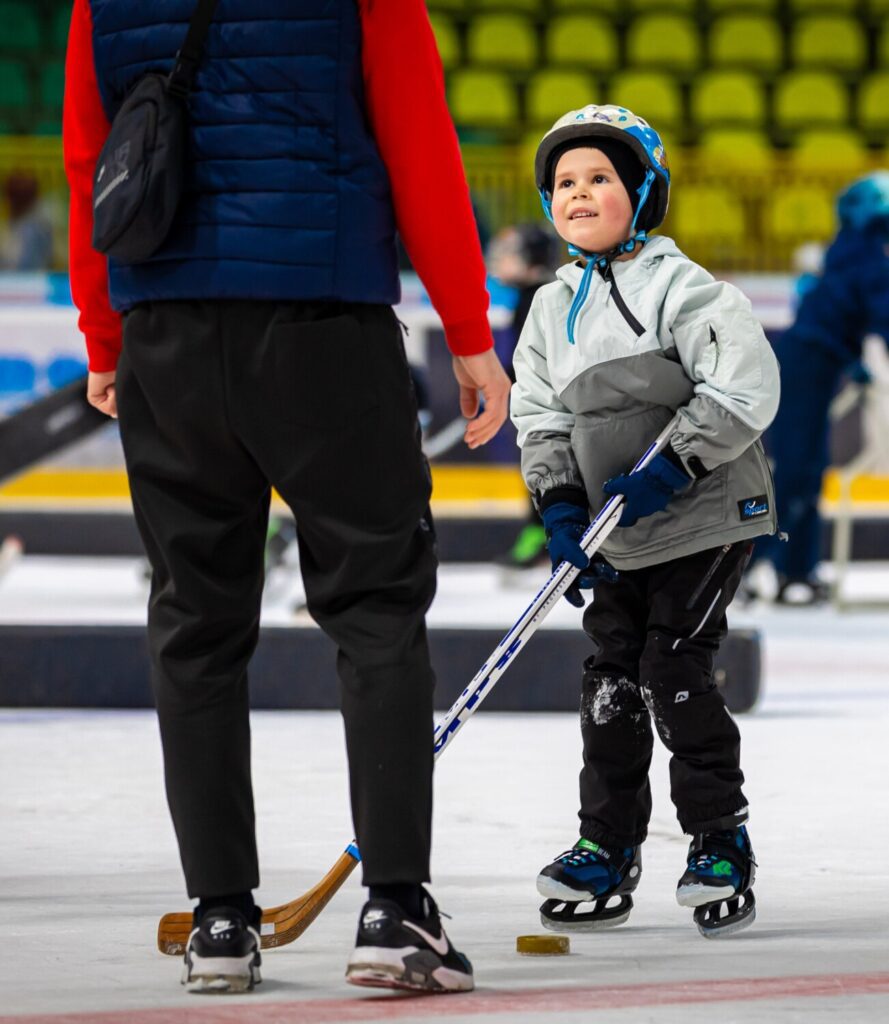

Why Coaching Systems Matter
Effective coaching systems create the conditions for coaches to succeed. By aligning leadership, coach education, Coach Developers, and professional learning, organizations build sustainable coaching environments that improve experiences for coaches, participants, and athletes.
There is no one-size-fits-all approach. Effective coaching systems are designed to reflect the unique needs, culture, and context of each organization and country while drawing on internationally recognized frameworks and evidence-informed practice.

Better Coaches

Stronger Organizations

Sustainable Coach Developer Workforce

Better Participant Experiences
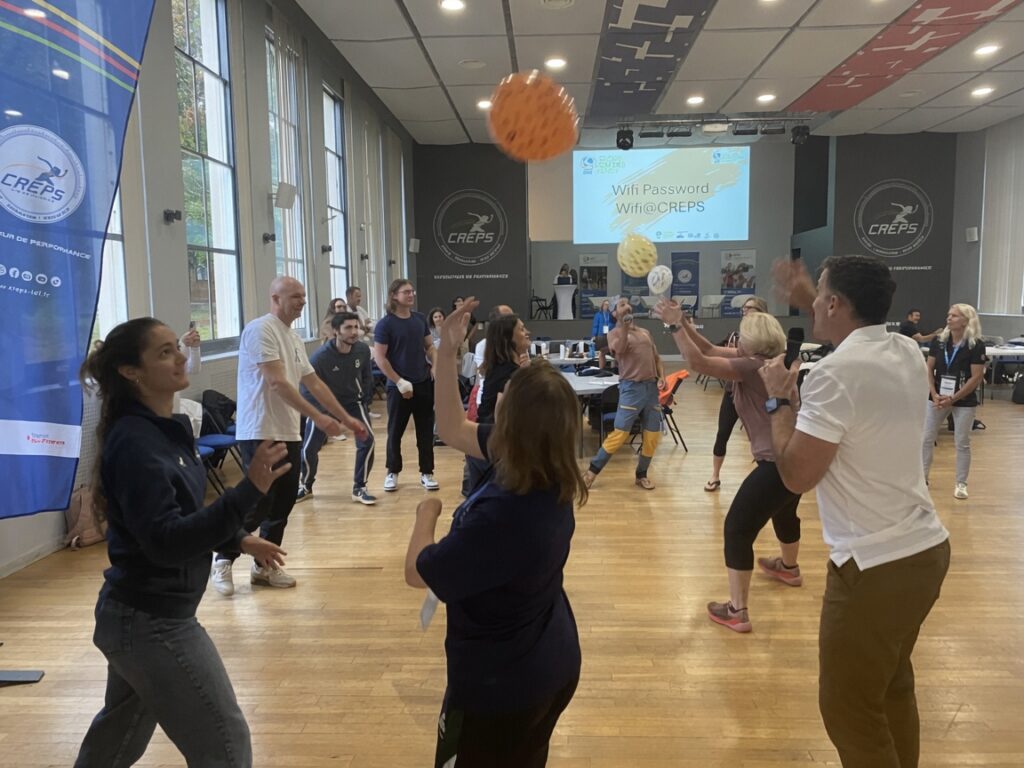
Coach Developers Are the Engine of the Coaching System
A skilled Coach Developer workforce strengthens the quality of coach education, supports coaches throughout their development, and helps build a coaching workforce capable of delivering positive sport experiences.
Investing in Coach Developers is a critical investment in the entire coaching system.
Quality Learning Within Coaching Systems
Effective coaching systems are built on learning environments that actively engage coaches and support continuous improvement.
LEARNS
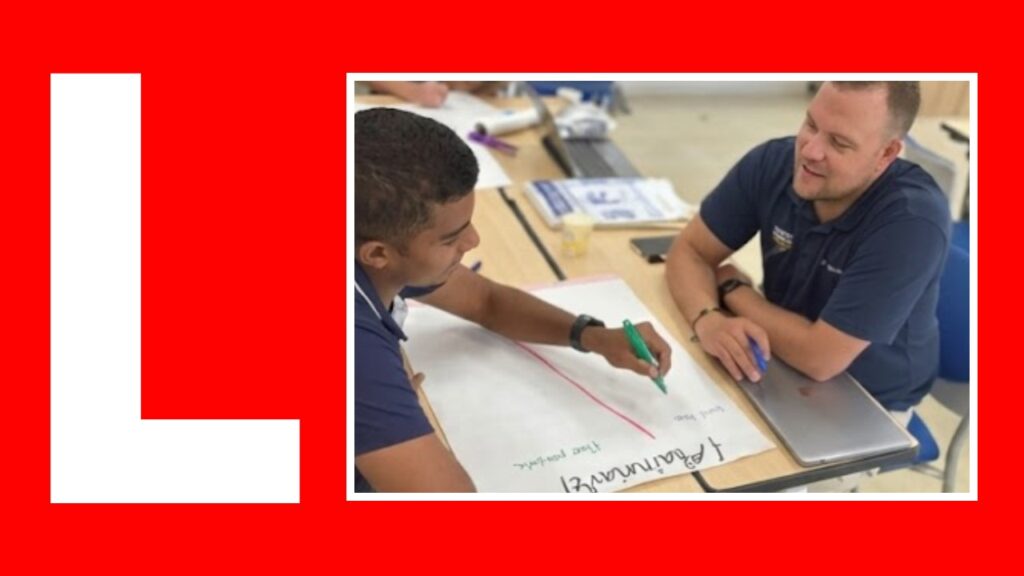
L - LEARNING TO LEARN
Teach them ‘how to learn’ skills so that they can become independent learners.
Teach them metacognitive skills—for example, how to think, solve problems and organize knowledge. Give them opportunities to practise these skills and take responsibility for their own learning.
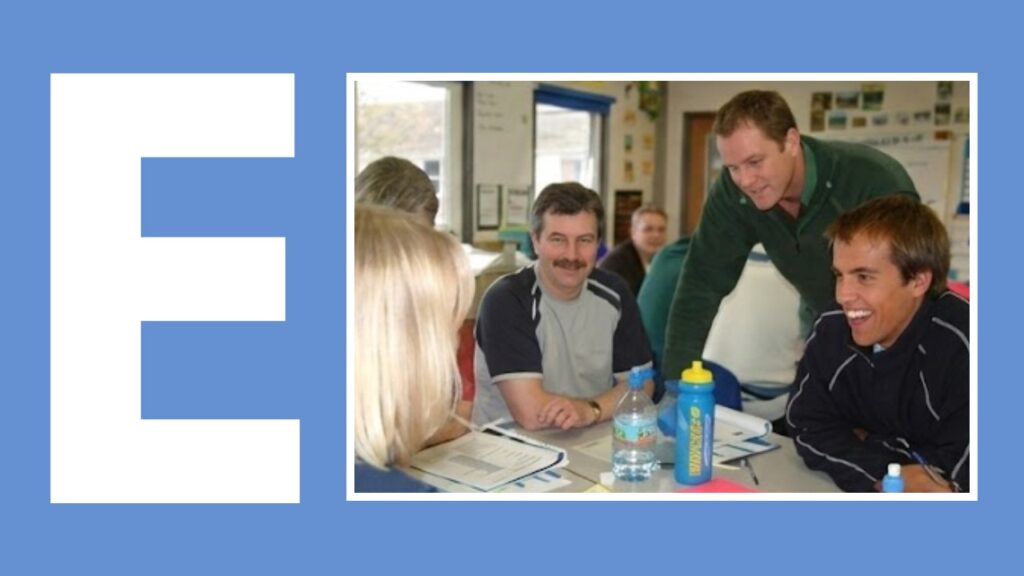
E - ENVIRONMENT
Create a positive and supportive climate.
Manage the physical space, build positive relationships and create a non-threatening climate where learning is enjoyable, mistakes are accepted, self-esteem is enhanced, and contributions are respected and valued.
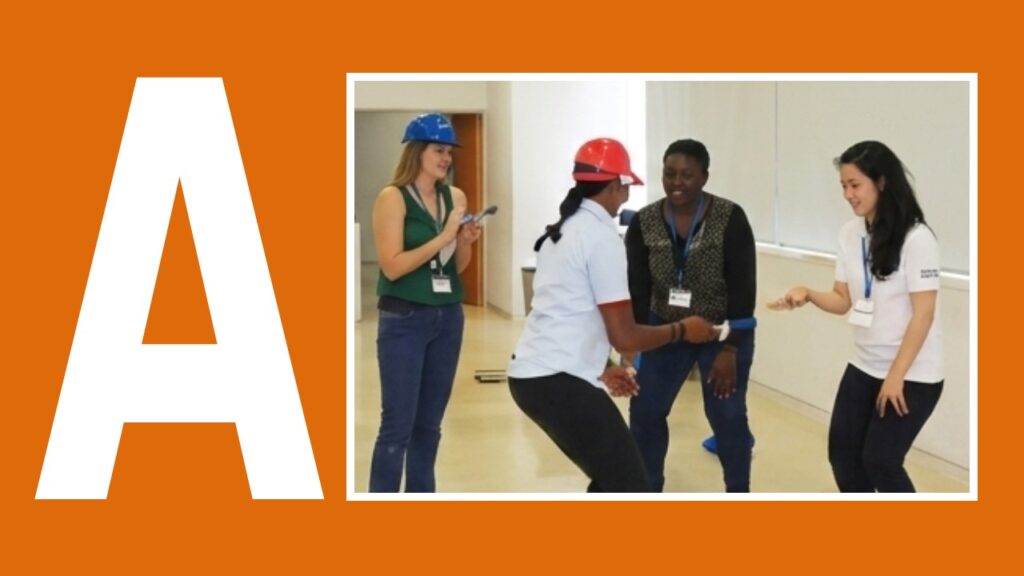
A - ACTIVE ENGAGEMENT
Let them do the thinking and the doing rather than simply listening and watching.
Engage learners and encourage them to think and act. Promote collaboration by enabling them to learn from and with each other. Provide opportunities to apply their knowledge, practise their skills and receive high-quality feedback.
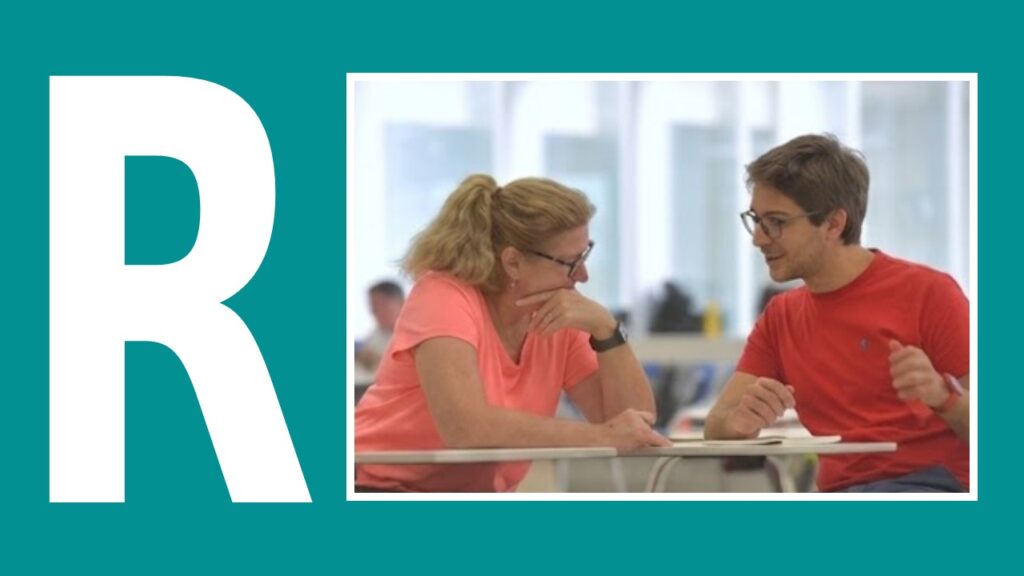
R - REFLECTION
Encourage reflection as an essential part of learning.
Teach people to reflect on both HOW and WHAT they are learning. Regularly make time for and support self-reflection. Encourage reflection before providing feedback and ensure that reflection leads to personal action.

N - NEW LEARNING
Build new, up-to-date learning on existing knowledge, skills and experience.
Identify what learners already know and can do, and then build on it. Be creative and vary delivery strategies, activities, groupings and layouts. Find innovative ways to make learning stick and do things differently so that learning feels new and exciting.

S - STRETCH
Stretch and challenge your learners.
Once a positive climate has been established and learners’ self-esteem and confidence are in place, increase the challenge appropriately. Monitor their attention, body language, boredom and stress levels.
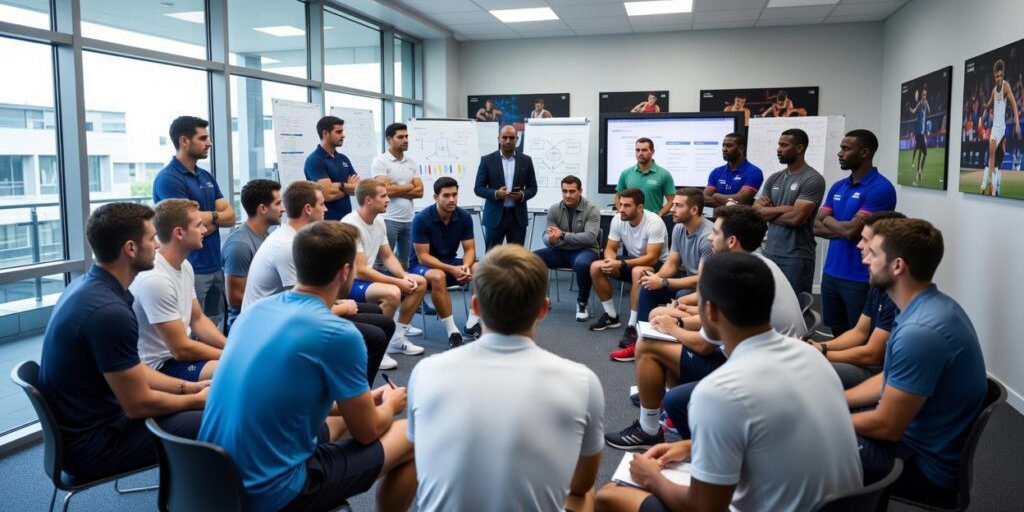
“Strong coaching systems invest not only in coaches, but also in the people who develop them.”
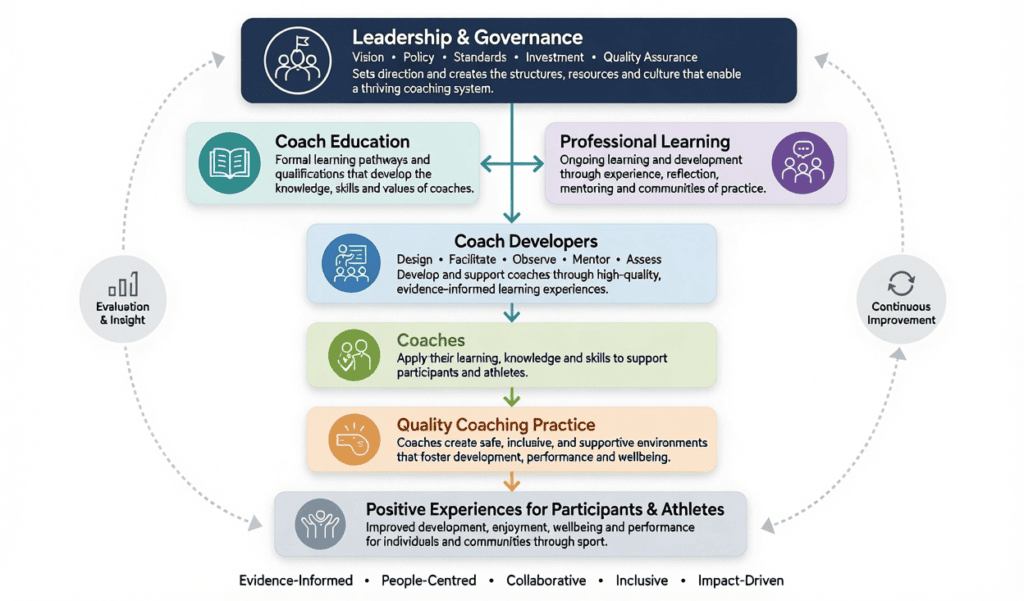
Components of an Effective Coaching System
Effective coaching systems integrate leadership, coach education, Coach Developers, professional learning, and continuous improvement to strengthen coaching practice and create positive experiences for participants and athletes.
Strengthen Your Coaching System
Every organization is at a different stage of its coaching system journey. Whether you are developing Coach Developers, modernizing coach education, or strengthening your coaching workforce, ICCE provides internationally recognized frameworks, education, and expertise to help you achieve sustainable success.